Fake ID Boss: History, Review Aggregators, and Consumer Risks
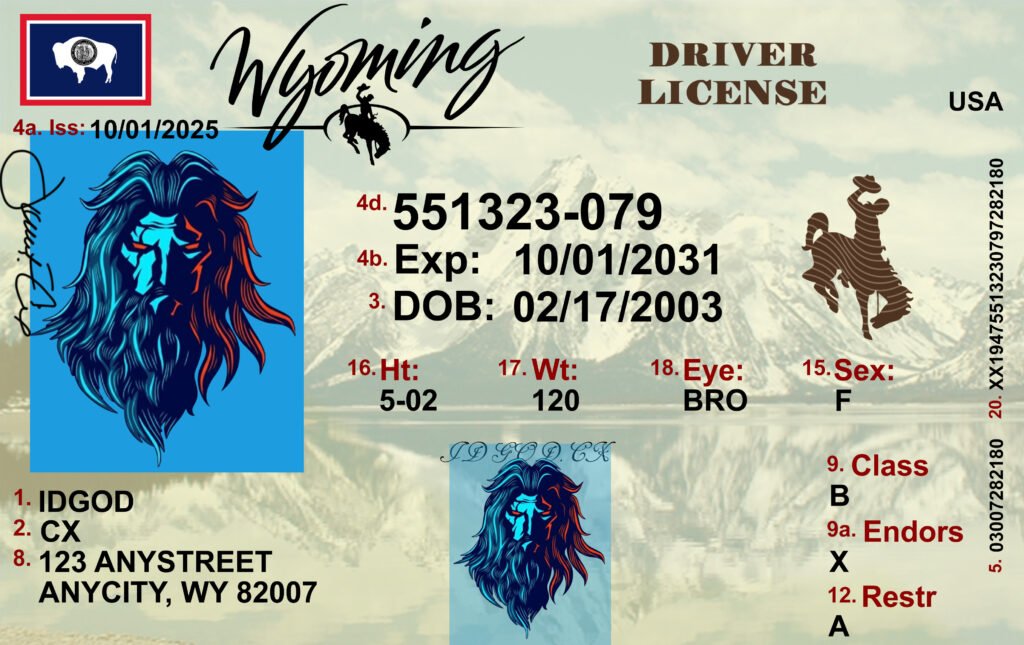
In the underground market for counterfeit identification, direct vendors like IDGod and FakeYourDrank represent only one half of the business model. The other critical component consists of review aggregators, affiliate directories, and vendor evaluation blogs—with Fake ID Boss (and its associated domains like fakeidboss.net) historically serving as a key example.
Rather than manufacturing plastic identity credentials directly, platforms like Fake ID Boss functioned as digital intermediaries. Marketing themselves as “unbiased review sites” or “guidebooks,” these platforms published ranked lists of top vendors, detailed template evaluations, and guides on avoiding scams. In reality, these review hubs often operated as promotional portals, affiliate marketing networks, or lead-generation engines designed to direct web traffic toward specific vendor storefronts in exchange for commissions or placement fees.
This article provides an in-depth examination of Fake ID Boss, the mechanics of counterfeit ID review portals, the illusion of legitimacy they create, and the profound legal, financial, and personal security risks associated with relying on third-party aggregate sites.
What Was Fake ID Boss?
Fake ID Boss emerged during the mid-2010s as a clearnet review directory specifically targeting high school and college students seeking age-restricted credentials. While individual vendor sites were frequently taken down by domain seizures or payment processor bans, review blogs like Fake ID Boss positioned themselves as permanent guides through the volatile illicit marketplace.
┌─────────────────────────────────────────────────────────┐
│               The Review Hub Network Flow               │
└─────────────────────────────────────────────────────────┘
                            │
                            ▼
        ┌───────────────────────────────────────┐
        │  Search Engine Traffic / Social Media │
        └───────────────────────────────────────┘
                            │
                            ▼
        ┌───────────────────────────────────────┐
        │   Fake ID Boss / Review Portal        │
        │  (Rankings, "Verified Vendor" Lists)  │
        └───────────────────────────────────────┘
                            │
                            ▼
        ┌───────────────────────────────────────┐
        │ Affiliate / Sponsored Landing Links   │
        └───────────────────────────────────────┘
                            │
                            ▼
        ┌───────────────────────────────────────┐
        │ Vendor Storefronts / Scam Portals     │
        └───────────────────────────────────────┘
The platform operated primarily by providing:
-
“Best Fake ID” Rankings: Curated lists ranking vendors based on criteria like card quality, turnaround speed, and scanability.
-
Detailed Card Reviews: Side-by-side photographic breakdowns evaluating microprinting, optical variable ink, holograms, and UV responses on state driver’s license templates.
-
Scam Warning Guides: Articles claiming to teach users how to spot “fake vendor sites” while directing them toward preferred partner links.
-
Discount Code Aggregation: Promoting “group order” referral links that offered bulk pricing for college dormitories and social clubs.
The Mechanics of Counterfeit Review Directories
To understand the role of platforms like Fake ID Boss, one must analyze the economic incentives driving illicit affiliate marketing on the open web.
┌─────────────────────────────────────────────────────────────────────────┐
│                     Review Site Revenue Models                          │
├─────────────────┬───────────────────────────────────────────────────────┤
│ Paid Placements │ Vendors buy top ranking positions on "Best-Of" lists  │
│ Affiliate Cut   │ Review hub receives a % of cryptocurrency/cash orders │
│ Vendor Ownership│ The review site operator owns the recommended store   │
│ Data Harvesting │ Collecting user emails and IP addresses for resale    │
└─────────────────┴───────────────────────────────────────────────────────┘
1. The Illusion of Third-Party Objectivity
In legitimate e-commerce, consumer review aggregators rely on verified buyer data, independent testing, and strict disclosures. In the fake ID sector, true independence does not exist. Review portals often operate under three distinct models:
-
Pay-for-Placement: Vendors pay monthly retainers or kickbacks to secure the “#1 Recommended” slot on the directory’s homepage.
-
Vertical Integration: The owner of the review site is frequently the same individual or syndicate operating the underlying fake ID vendor storefronts. The “review site” is simply a marketing funnel created to generate organic search engine traffic.
-
Affiliate Revenue Sharing: Review blogs embed customized tracking links or unique referral codes. When a buyer places an order using a promo code from the blog, the review site operator receives a percentage of the transaction (often paid in Bitcoin or Monero).
2. Search Engine Optimization (SEO) Manipulation
Direct vendor websites regularly face domain blocks, search engine delistings, and federal takedowns. Review hubs, however, often maintain longer domain lifespans by posing as “informational” or “educational” content portals.
By targeting high-intent search queries—such as “best scannable fake ID,” “is [Vendor Name] legit,” or “how to get a fake ID online”—sites like Fake ID Boss captured organic web traffic and funneled unsuspecting users into illicit sales channels before search engines could penalize the domains.
The Danger of Trusting Underground Review Platforms
Relying on directories like Fake ID Boss creates a false sense of security for buyers. Because these blogs present slick graphical layouts, polished comparison tables, and detailed star ratings, users often assume the recommended storefronts are safe or “verified.” In reality, interacting with review hubs introduces unique layers of risk.
┌──────────────────────────────────────────────────────────┐
│                   Review Portal Hazards                  │
├───────────────────────┬──────────────────────────────────┤
│ Phishing Links        │ Directed to fake "clone" portals │
│ Data Interception     │ Tracking tags collect buyer PII  │
│ Paid Manipulation     │ Scam vendors ranked as "Trusted" │
│ Extortion Pipelines   │ User data logged across networks │
└───────────────────────┴──────────────────────────────────┘
1. Direction to Phishing and Clone Portals
The fake ID ecosystem is saturated with fraudulent “clone” websites designed to steal money without delivering any product. Review aggregators frequently leverage this confusion. A review hub may publish an article warning readers about “fake scam sites,” only to provide direct links that lead to the aggregator’s own proprietary clone storefronts.
Once a buyer submits payment to a recommended link:
-
Non-refundable payments (cryptocurrency or peer-to-peer transfers) are permanently lost.
-
No manufacturing occurs, and customer support channels immediately cut off communication.
2. Double-Sided Data Harvesting
When users interact with underground review portals, their digital footprint is logged long before they ever place an order on a vendor site. Review portals routinely employ tracking scripts, IP logging, and email capture pop-ups (e.g., “Subscribe for exclusive fake ID discount codes”).
This creates a secondary privacy vulnerability:
-
IP Address & Location Mapping: Logging the physical area and network from which a user is researching illicit materials.
-
Email & Identity Profiling: Combining uploaded photos, legal names, and delivery addresses submitted to vendor stores with the tracking data compiled by the review blog.
These aggregated data profiles are frequently sold on darknet forums or compiled into target lists for cybercriminal activities, including credential stuffing, identity theft, and phishing campaigns.
Legal and Consumer Liabilities
Interacting with counterfeit document portals—whether direct vendor storefronts or affiliate directories like Fake ID Boss—carries severe legal, financial, and institutional consequences.
┌──────────────────────────────────────────────────────────┐
│                   Major Consumer Risks                   │
├───────────────────────┴──────────────────────────────────┤
│ Criminal Record       │ Misdemeanor & felony forgery     │
│ Identity Theft        │ PII sold on darknet markets      │
│ Financial Fraud       │ Irreversible crypto transactions  │
│ Academic Penalties    │ Suspension or permanent expulsion│
└───────────────────────┴──────────────────────────────────┘
1. Criminal Prosecution and Document Forgery Charges
In all U.S. states and international jurisdictions, purchasing, possessing, or utilizing a fraudulent government identification card is a serious crime.
| Violation Type | Severity | Potential Legal Consequences |
| Misdemeanor Possession | Class A/B Misdemeanor | Fines, court-ordered community service, probation, and mandatory driver’s license suspension. |
| Felony Document Forgery | 3rd-Degree Felony | Possessing forged credentials containing altered state seals or false government numbers can trigger felony charges and potential prison time. |
| Federal Postal Fraud | Federal Offense | Importing counterfeit government identity documents through international mail violates federal customs and postal laws. |
A formal criminal charge for document forgery creates a permanent record. This record appears on standard pre-employment background checks, preventing individuals from securing corporate employment, financial licenses, medical credentials, housing leases, or military clearance.
2. Extortion and Blackmail Schemes
Because buying a fake ID requires submitting real facial photographs, residential addresses, and demographic details, users leave themselves open to targeted extortion.
Rogue operators running review hubs or fraudulent vendor stores regularly weaponize this information. Victims receive communications threatening that their submitted photos, real names, and transaction records will be delivered to local law enforcement, university administrators, or employers unless an additional ransom payment is made via cryptocurrency.
3. Financial Loss Without Legal Recourse
Transactions across the fake ID market rely on irreversible payment mechanisms:
-
Cryptocurrency: Bitcoin (BTC), Monero (XMR), or Litecoin (LTC) transfers.
-
Peer-to-Peer Apps: Transfers routed through compromised or temporary third-party accounts.
-
Gift Cards: Submitting pre-paid gift card redemption keys directly to site operators.
If a buyer is defrauded by a vendor recommended by a review blog like Fake ID Boss, there is no dispute mechanism, chargeback option, or legal venue to recover the stolen funds.
4. Institutional and Academic Discipline
For high school and university students, being caught with a fake ID—or having a shipment intercepted by mailroom staff or law enforcement—triggers immediate disciplinary action under Student Codes of Conduct:
-
Permanent Expulsion or Suspension: Immediate removal from academic enrollment.
-
Housing Eviction: Eviction from university dormitories and residential halls.
-
Loss of Financial Aid: Forfeiture of merit scholarships, grants, and federal student loans.
-
Disciplinary Notations: Marks placed on academic transcripts that prevent transfer to other accredited universities.
Modern Countermeasures: Why the Fake ID Ecosystem Is Failing
The business model that allowed platforms like Fake ID Boss and its promoted vendors to thrive is rapidly eroding. Advances in physical security, automated verification hardware, and digital identity infrastructure have made physical counterfeit cards increasingly ineffective.
┌──────────────────────────────────────────────────────────┐
│              Modern Verification Defense Layers          │
├─────────────────────┬────────────────────────────────────┤
│ Multi-Spectral Light│ Checking IR and UV ink responses   │
│ Algorithmic Parsing │ Validating PDF417 structure        │
│ Real-Time DMV Lookup│ Cross-referencing state databases  │
│ Mobile IDs (mDL)    │ ISO/IEC 18013-5 cryptographic check│
└─────────────────────┴────────────────────────────────────┘
1. Multi-Spectral and Algorithmic Scanning
Establishments, venues, and law enforcement agencies no longer rely on visual eye-checks or simple magnetic stripe readers. Modern age-verification devices employ multi-spectral cameras that evaluate cards under infrared (IR) and ultraviolet (UV) light simultaneously. Real state IDs utilize specialized chemical optical inks that reflect precise wavelengths of light that commercial card printers cannot replicate.
Additionally, automated scanning algorithms inspect the internal structure of the PDF417 2D barcode on the back of credentials. These scanners verify hidden delimiters, check cryptographic checksums, and instantaneously detect synthetic or improperly formatted data strings.
2. Mobile Driver’s Licenses (mDL) and Cryptographic Standards
The most decisive transformation in identity verification is the widespread adoption of state-issued Mobile Driver’s Licenses (mDLs) stored in encrypted smartphone wallets.
Governed by international standards such as ISO/IEC 18013-5:
-
When an individual presents an mDL, the verifier’s reader communicates directly with state issuing servers using public-key cryptography.
-
The verifier cryptographically validates that the credential was signed directly by the state authority’s private key.
-
Because offshore manufacturers and review site vendors cannot obtain or duplicate a government’s private cryptographic keys, physical card replicas published by sites like Fake ID Boss are rendered useless against digital verification standards.
The Reality of Illicit Review Networks
Fake ID Boss represents an operational layer in the counterfeit document ecosystem: the affiliate review directory designed to monetize user interest through deceptive rankings and referral channels. While these portals project an image of authority and safety, they function as marketing pipelines that expose consumers to severe legal charges, darknet identity theft, financial fraud, and extortion. As cryptographic identity standards like Mobile Driver’s Licenses continue to displace physical cards, both counterfeit vendors and the review networks that promote them face complete technical obsolescence.