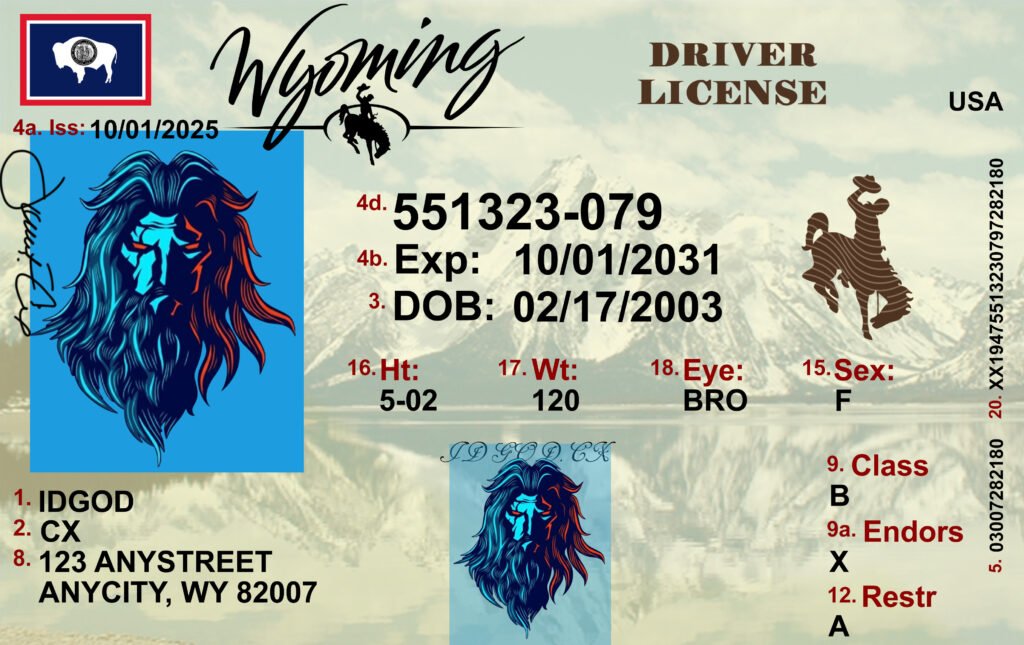
What Is “Old Ironsides Fakes”? History, Operations, and Consumer Risks
In the modern digital landscape, the black market for counterfeit identification has migrated from dark alleys and physical forgery operations to sophisticated online storefronts. Among the most notorious names to emerge in this ecosystem is Old Ironsides Fakes (frequently referred to as Old Ironsides or OldIronsides). Operating for well over a decade, this offshore entity built an expansive direct-to-consumer digital operation catering primarily to high-school and college-aged individuals seeking to bypass age verification laws.
What makes Old Ironsides Fakes an important case study is not merely its longevity, but how it reflects the broader evolution of the counterfeit document ecosystem. From leveraging offshore industrial printing plants to adopting privacy-centric cryptocurrencies and navigating domain seizures, the vendor’s operational history mirrors the complex intersections of digital e-commerce, identity theft, cybersecurity, and law enforcement oversight.
1. The Origins and Evolution of Old Ironsides Fakes
To understand how Old Ironsides Fakes became a recognized brand within digital youth subcultures, one must examine the fundamental shift in counterfeit document manufacturing that took place in the early 2010s.
┌──────────────────────────────────────────────────────────┐
│             Evolution of Counterfeit IDs                 │
├─────────────────┬────────────────────────────────────────┤
│ Pre-2010        │ Localized, physical card manipulation   │
│ 2010 – 2015     │ Offshore e-commerce, simple barcodes   │
│ 2016 – 2020     │ Industrial polycards, UV, 2D scanning  │
│ 2021 – Present  │ Domain churn, darknet/Telegram shift  │
└─────────────────┴────────────────────────────────────────┘
The Transition to Offshore E-Commerce
Historically, obtaining a fake ID meant knowing someone with access to a basic plastic laminator, altered driver’s licenses, or commercial desktop printers. However, as state governments continuously updated their identification credentials with embedded holograms, magnetic stripes, and distinct cardstock, local operations could no longer keep pace with official design standards.
Old Ironsides Fakes entered the scene by treating counterfeit identification like a standardized, global e-commerce service. Operating out of international jurisdictions—predominantly in East Asia, beyond the reach of U.S. federal courts—the vendor established direct-to-consumer websites. Customers could upload passport-style digital photos, submit customized demographic details (names, dates of birth, addresses), and order state driver’s license duplicates delivered right to their mailboxes.
The Technological “Arms Race”
As state Departments of Motor Vehicles (DMVs) introduced tougher security features, vendors like Old Ironsides engaged in a constant technological arms race to maintain their “scannable” reputation:
-
Polycarbonate Card Stock: Moving away from standard PVC plastic toward polycarbonate blends that match the weight, rigidity, and tactile feedback of genuine state cards.
-
PDF417 Barcode Encoding: Programming the 2D barcodes on the back of cards so that commercial scanners used by venues, bars, and retailers would return matching demographic data.
-
Microprinting and Tactile Laser Engraving: Attempting to replicate fine line vector patterns, raised birthdate lettering, and ghost images that are evaluated during manual checks.
-
Multi-Spectrum UV Features: Coating cards with ultraviolet-reactive inks that display hidden state seals or patterns under blacklight inspection.
2. Operational Mechanics and Business Model
The longevity of Old Ironsides Fakes rests on an operational structure designed to evade law enforcement detection, mitigate international shipping bottlenecks, and maintain bulk sales channels.
┌─────────────────────────────────────────────────────────┐
│           Old Ironsides Operational Flow                │
└─────────────────────────────────────────────────────────┘
                            │
                            ▼
        ┌───────────────────────────────────────┐
        │  Customer Order via Clearnet / Mirror │
        └───────────────────────────────────────┘
                            │
                            ▼
        ┌───────────────────────────────────────┐
        │ Payment via Unrefundable Crypto / P2P │
        └───────────────────────────────────────┘
                            │
                            ▼
        ┌───────────────────────────────────────┐
        │ Offshore Industrial Card Production   │
        └───────────────────────────────────────┘
                            │
                            ▼
        ┌───────────────────────────────────────┐
        │ Stealth Freight Routing & Fulfillment │
        └───────────────────────────────────────┘
Digital Infrastructure and Domain Hopping
Because creating and selling counterfeit government identification is illegal across international jurisdictions, federal law enforcement agencies—including Homeland Security Investigations (HSI), Immigration and Customs Enforcement (ICE), and the U.S. Postal Inspection Service—regularly target the underlying web infrastructure of these organizations.
Old Ironsides survived through constant domain churn. When primary web domains were seized or blocked, the vendor migrated operations across country-code top-level domains (ccTLDs) like .ph, .la, .ch, or .me. They relied heavily on community updates via online discussion boards, social channels, and peer messaging platforms to notify prospective buyers of active backup domains.
Payment Processing
Because credit card processors, payment gateways, and banking institutions strictly refuse transactions associated with counterfeit goods, Old Ironsides moved exclusively toward non-refundable, privacy-focused payment rails:
-
Cryptocurrencies: Bitcoin (BTC), Litecoin (LTC), and Monero (XMR) became the primary exchange mechanisms, eliminating buyer chargeback rights.
-
Peer-to-Peer App Transfers: Using transient payment handles or third-party gift card redemption codes to anonymize capital flows.
Stealth Packaging and Distribution
Shipping thousands of illicit plastic cards across international borders requires evading scrutiny at customs sorting hubs. Old Ironsides utilized stealth packaging strategies—hiding cards inside low-value commercial goods (such as phone cases, cheap toys, or small electronic components) to mask their physical signature during postal X-ray and customs inspections.
3. Online Community Ecosystem and Scam Proliferation
The cultural presence of Old Ironsides Fakes was largely built and sustained through student networks, online word-of-mouth, and web forums. However, this visibility also spawned a massive predatory ecosystem of impersonators and cybercriminals.
┌─────────────────────────────────────────────────────────┐
│               Digital Ecosystem Drivers                 │
├──────────────────┬──────────────────────────────────────┤
│ Community Hubs   │ Reddit (historical), Telegram, Forums│
│ Information Flow │ Vendor reviews, stealth delivery tips│
│ Threat Landscape │ Clone sites, extortion, phishing     │
└──────────────────┴──────────────────────────────────────┘
Digital Discussion Hubs
For years, digital forums and social media channels contained entire sub-communities dedicated to discussing fake ID vendors. On these platforms, potential buyers evaluated vendors based on specific metrics:
-
Turnaround Time: Measuring total delivery windows from offshore dispatch to domestic arrival.
-
Scanability and Bend Test: Comparing how counterfeit cards perform against physical stress tests and commercial scanning applications.
-
Group Discounting: Coordinating “group orders” where dozens of students pooled funds to drastically lower the per-card price.
As major social media platforms updated their Terms of Service to ban communities that facilitate illegal acts, discussions largely migrated to encrypted messaging applications like Telegram or specialized underground boards.
The Rise of “Clone” and Impostor Sites
One of the most defining aspects of the Old Ironsides phenomenon is the overwhelming proliferation of impostor websites. Cybercriminals quickly realized that by purchasing lookalike domains (e.g., swapping top-level extensions or introducing minor typos) and utilizing Search Engine Optimization (SEO), they could capture unsuspecting buyers.
These clone sites operated purely as financial black holes:
-
They collected payments via non-reversible crypto or payment apps.
-
They harvested sensitive user images and personal data.
-
They either provided nothing in return or immediately cut off communication.
This dynamic meant that a significant portion of online complaints regarding Old Ironsides actually stemmed from buyers who had fallen victim to imitation portals rather than the underlying primary vendor.
4. Comprehensive Consumer and Security Risks
While youth subcultures often view purchasing a counterfeit ID as an innocent milestone or harmless shortcut, engaging with entities like Old Ironsides carries severe, long-term legal, privacy, and financial liabilities.
┌──────────────────────────────────────────────────────────┐
│                   Major Consumer Risks                   │
├───────────────────────┬──────────────────────────────────┤
│ Legal & Criminal      │ Document forgery, felony charges │
│ Identity Theft        │ PII leaks, darknet exposure      │
│ Financial Loss        │ Untraceable cryptocurrency scams │
│ Institutional Penalties│ Suspension, permanent expulsion  │
└───────────────────────┴──────────────────────────────────┘
1. Legal and Criminal Liabilities
Possessing, purchasing, or using a forged government document is a serious violation of local, state, and federal laws.
| Offense Category | Typical Charge Level | Potential Legal Consequences |
| Misdemeanor Possession | Class A/B Misdemeanor | Fines, mandatory community service, probation, and temporary loss of driving privileges. |
| Felony Forgery / Fraud | 3rd-Degree Felony | In several states, possessing fraudulent government identification cards with intent to deceive carries potential state prison time. |
| Federal Postal Violations | Federal Offense | Importing counterfeit goods through mail services can trigger federal investigations and customs tracking. |
A formal criminal record for fraud or forgery creates permanent background check flags that can disqualify individuals from military service, law admissions, medical certifications, housing leases, and corporate employment.
2. Identity Theft and Biometric Exposure
To receive a customized card, customers must hand over extensive Personally Identifiable Information (PII) to unknown, unregulated offshore actors:
-
Full legal names or active aliases
-
Actual residential addresses for mail delivery
-
Dates of birth
-
High-resolution, unedited digital face photographs
Counterfeit vendors operate with zero legal accountability or cybersecurity compliance. Customer databases are routinely breached, leaked, or voluntarily packaged and resold on darknet markets. Criminal third parties buy these records to construct synthetic identities, open fraudulent lines of credit, or launch targeted phishing campaigns against buyers.
3. Extortion and Blackmail
A growing risk in the underground document market involves targeted extortion. Because buyers must provide real facial photos and delivery addresses, malicious operators (or compromised clone sites) hold immense leverage.
Scammers frequently threaten to forward order details, submitted photographs, and payment records directly to law enforcement agencies, university disciplinary boards, or employers unless an additional ransom payment is made in cryptocurrency. Victims have virtually no legal recourse and face ongoing harassment.
4. Financial Fraud Without Recourse
Transactions involving cryptocurrency or peer-to-peer transfers offer zero buyer protection. If an order is seized by customs, lost in the mail, damaged, or simply ignored by a vendor, the buyer has no avenue to initiate a chargeback or dispute.
5. Modern Countermeasures: Closing the Technology Gap
The business model that allowed vendors like Old Ironsides to flourish is rapidly degrading as physical security standards, electronic verification, and digital identity platforms advance.
┌──────────────────────────────────────────────────────────┐
│             Modern Verification Defense Layers           │
├─────────────────────┬────────────────────────────────────┤
│ Spectral & Infrared │ Checking non-visible light signatures│
│ Algorithmic Checks  │ Cross-validating barcode metadata  │
│ Database Connection │ Real-time DMV cryptographic check  │
│ Mobile IDs (mDL)    │ ISO-compliant public key validation│
└─────────────────────┴────────────────────────────────────┘
1. Multi-Spectral and Algorithmic Scanning
Modern venues, law enforcement personnel, and retailers no longer rely on visual eye-checks. Specialized scanning devices utilize multi-spectral lighting (checking infrared and ultraviolet optical responses simultaneously) to detect synthetic materials immediately. Furthermore, algorithmic barcode parsing checks the mathematical alignment and hidden delimiters inside PDF417 barcodes, instantly flagging forged structures.
2. Mobile Driver’s Licenses (mDL) and Cryptographic Verification
The most significant long-term threat to the fake ID market is the adoption of state-backed Mobile Driver’s Licenses (mDLs) stored in secure mobile wallets. Built on standardized cryptographic frameworks (such as ISO/IEC 18013-5), mDLs allow verifiers to authenticate identity through public-key cryptography directly linked to state DMV servers. Because offshore vendors cannot forge state cryptographic signing keys, physical card duplicates are becoming obsolete for high-security age and identity verification.
Summary
Old Ironsides Fakes highlights how counterfeit document manufacturing transformed into an offshore e-commerce industry driven by digital printing technology, cryptocurrency, and domain hopping. However, behind the online marketing lies an enterprise that exposes buyers to severe legal charges, darknet identity theft, extortion, and unrecoverable financial scams. As cryptographic verification and digital driver’s licenses continue to roll out, the era of physical counterfeit IDs is rapidly reaching its technical limits.