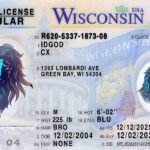
The market for counterfeit identification has undergone a dramatic transformation over the past two decades. What was once an underground trade dominated by local, low-tech operation—involving altered laminates, razor blades, and physical document manipulation—has evolved into an offshore, tech-driven digital supply chain. At the center of this modern illicit ecosystem is IDGod, arguably the most recognized name in the online fake ID market.
Operating primarily through shifting web domains and darknet channels, IDGod gained notoriety for mass-producing scannable counterfeit driver’s licenses and state identification cards. By leveraging advanced industrial printing technology, digital template reverse-engineering, and international postal routing, the vendor established a brand that dominated online student subcultures and underground digital forums for years.
However, behind the reputation for producing visually convincing documents lies a complex web of severe legal liabilities, financial vulnerabilities, personal privacy threats, and rampant online scamming. This article provides a comprehensive overview of what IDGod is, its operational history, the digital community surrounding it, and the deep consumer risks associated with interacting with underground identification services.
What Is IDGod?
IDGod is an unauthorized, offshore vendor specializing in the manufacture and distribution of counterfeit state identification cards and driver’s licenses. Primarily targeted at college students and young adults seeking to bypass age-restricted laws—such as entry into bars, clubs, music venues, and alcohol or tobacco purchases—IDGod marketed itself on the premise of offering “high-grade, scannable” identification.
┌─────────────────────────────────────────────────────────┐
│                 IDGod Vendor Flow                      │
└─────────────────────────────────────────────────────────┘
                            │
                            ▼
        ┌───────────────────────────────────────┐
        │  Customer Submits PII & Digital Photo │
        └───────────────────────────────────────┘
                            │
                            ▼
        ┌───────────────────────────────────────┐
        │ Payment via Unreversible Crypto/P2P  │
        └───────────────────────────────────────┘
                            │
                            ▼
        ┌───────────────────────────────────────┐
        │ Offshore Printing & Security Features │
        │  (Polycarbonate, UV Ink, PDF417)      │
        └───────────────────────────────────────┘
                            │
                            ▼
        ┌───────────────────────────────────────┐
        │  Stealth International Freight Routing│
        └───────────────────────────────────────┘
Unlike crude domestic counterfeiting attempts, IDGod operated as a full-scale commercial production network. Customers interact with the vendor via e-commerce-style storefronts, submitting their real or falsified details (such as name, date of birth, and address), uploading digital passport-style photographs, and selecting specific U.S. states or foreign jurisdictions.
Operational and Technical Characteristics
The popularity of IDGod relied on its ability to replicate modern state security features that previously stumped smaller counterfeiters:
-
Polycarbonate Card Stock: Matching the weight, feel, and sound (the distinct “metallic drop” sound) of modern state-issued IDs.
-
High-Resolution Microprinting: Replicating fine line detail, ghost photos, and microtext that are invisible to the naked eye but visible under magnification.
-
Optical Variable Ink (OVI) and Holograms: Applying custom-designed holographic overlays and color-shifting inks that mimic official state seals.
-
Ultraviolet (UV) Features: Incorporating UV-reactive inks that reveal hidden graphics or text under blacklight inspection.
-
PDF417 Barcode Encoding: Encoding user-submitted demographic information into scannable 2D barcodes compatible with commercial age-verification hardware and mobile scanning applications.
Because manufacturing facilities were positioned in jurisdictions outside U.S. legal authority—frequently linked to industrial printing hubs in East Asia—IDGod was able to maintain large-scale operations while evading immediate domestic law enforcement shutdowns.
The History and Evolution of IDGod
Understanding the phenomenon of IDGod requires examining how the counterfeit document market transitioned from localized criminal enterprise to globalized e-commerce.
┌─────────────────────────────────────────────────────────────────────────┐
│                          Evolution Timeline                             │
├───────────────┬─────────────────────────────────────────────────────────┤
│ Early 2000s   │ Physical, localized forgery (novelty shops, modified)  │
│ 2010–2014     │ Rise of IDGod on darknet markets & clearnet web forums  │
│ 2015–2019     │ Massive community popularity, stealth shipping growth   │
│ 2020–Present  │ Proliferation of scam mirror domains, AI verification   │
└───────────────┴─────────────────────────────────────────────────────────┘
The Transition to Digital E-Commerce
Prior to the 2010s, obtaining a fake ID required knowing a local contact with access to basic card-printing equipment or purchasing easily detectable “novelty” cards from mail-order catalogs. As state DMVs upgraded to digital photography, complex barcode standards, and embedded card safety measures, local operations became largely obsolete.
IDGod capitalized on this technical shift during the early 2010s. By establishing a direct-to-consumer online business model, the vendor allowed individual buyers—or groups of students placing “group orders” for discounted rates—to order directly over the internet.
The Technological “Arms Race”
As state governments rolled out enhanced security features—culminating in federal standards such as the REAL ID Act in the United States—IDGod continuously updated its digital templates.
-
Phase 1 (Basic Laminates): Early iterations focused on matching visual layout and simple magnetic stripes.
-
Phase 2 (Scannable Barcodes): As bars and venues adopted electronic barcode scanners, IDGod integrated precise PDF417 barcode generation containing encoded user data.
-
Phase 3 (Tactile & UV Features): To bypass manual checks by trained bouncers, production evolved to include raised laser text, tactile date-of-birth engraving, and complex multi-color UV designs.
Law Enforcement Domain Seizures and Domain Churn
As IDGod’s visibility grew, it attracted significant attention from U.S. federal agencies, including Immigration and Customs Enforcement (ICE), Homeland Security Investigations (HSI), and the U.S. Postal Inspection Service.
Law enforcement regularly targeted the site’s web infrastructure, seizing primary domain names, disrupting payment gateways, and confiscating bulk packages at international postal sorting facilities. In response, IDGod engaged in constant domain migration—hopping across various top-level domains (TLDs) such as .ph, .la, .me, and .ch—to maintain online presence while cautioning users about fake clone domains.
Online Discussions: Communities, Reviews, and Scams
The rise of IDGod was heavily propelled by online discussions across major social networks, web forums, and messaging apps. Digital word-of-mouth created an ecosystem where buyers shared vendor reviews, delivery timelines, and advice on passing venue security checks.
┌─────────────────────────────────────────────────────────┐
│               Online Ecosystem Drivers                  │
├──────────────────┬──────────────────────────────────────┤
│ Community Hubs   │ Reddit (historical), Telegram, Forums│
│ Information Flow │ Vendor reviews, stealth delivery tips│
│ Risk Factor      │ Astroturfing, scam mirrors, extortion│
└──────────────────┴──────────────────────────────────────┘
Reddit and Underground Forums
For years, subreddits dedicated to counterfeit documents served as the primary hub for customer feedback. Users posted detailed “review threads” evaluating IDGod across specific criteria:
-
Visual Accuracy: Comparing counterfeit cards side-by-side with genuine state-issued licenses under natural and blacklight conditions.
-
Scanability: Reporting success rates at various commercial venues using standard handheld scanning hardware.
-
Turnaround and Stealth: Tracking shipment arrival times from overseas facilities and rating the effectiveness of “stealth packaging”—hiding IDs inside everyday consumer goods like toys, phone cases, or cheap electronics.
Eventually, major platforms like Reddit updated their Terms of Service to strictly ban communities that facilitated illegal goods, forcing discussions into private messaging apps (e.g., Telegram), encrypted forums, or darknet boards.
The Rise of Impostor and “Clone” Sites
The high search volume for IDGod created a lucrative opportunity for cybercriminals. Dozens of fraudulent websites emerged, claiming to be the “official” IDGod portal. These imitation domains—frequently buying sponsored search ads or using search engine optimization (SEO) techniques—took payment from buyers and either vanished or delivered useless, poor-quality paper novelties.
The proliferation of these scam sites led to rampant confusion, where dissatisfied customers posted complaints online about being defrauded, unaware that they had submitted their money to a copycat vendor rather than the actual entity.
Consumer Risks and Potential Dangers
While many individuals view purchasing a fake ID as a harmless rite of passage or minor transgression, engaging with entities like IDGod carries substantial legal, financial, personal, and security risks.
┌──────────────────────────────────────────────────────────┐
│                  Major Consumer Risks                    │
├───────────────────────┬──────────────────────────────────┤
│ Legal & Criminal      │ Document forgery, felony charges │
│ Data Privacy & Theft  │ PII leaked, sold on Dark Web     │
│ Financial Loss        │ Untraceable crypto payment scam  │
│ Institutional Loss    │ University expulsion, job denial │
└───────────────────────┴──────────────────────────────────┘
1. Severe Legal Consequences and Criminal Penalties
Possessing, purchasing, or using a counterfeit identification card is illegal across virtually all jurisdictions. Depending on state laws and the context of use, penalties range from administrative violations to serious felony charges:
A conviction for document forgery or identity fraud creates a permanent criminal record. This record appears on standard background checks, impacting future employment, military enlistment, housing applications, and professional licensing (e.g., law, medicine, finance, education).
2. Identity Theft and Personal Data Vulnerability
To order a fake ID, customers must provide the vendor with sensitive Personally Identifiable Information (PII):
-
Legal name or chosen alias
-
Residential address
-
Date of birth
-
High-resolution facial photographs
-
Biometric data embedded in digital photos
By submitting this information to an unregulated criminal enterprise operating overseas, buyers hand sensitive data to entities with zero privacy standards or legal accountability.
┌─────────────────────────────────────────────────────────┐
│               Data Vulnerability Chain                  │
└─────────────────────────────────────────────────────────┘
                            │
                            ▼
        ┌───────────────────────────────────────┐
        │ Buyer Submits Real Name, Address, Photo│
        └───────────────────────────────────────┘
                            │
                            ▼
        ┌───────────────────────────────────────┐
        │ Vendor Stores Data on Unsecured Server │
        └───────────────────────────────────────┘
                            │
                            ▼
        ┌───────────────────────────────────────┐
        │ Data Bundled & Sold on Darknet Markets│
        └───────────────────────────────────────┘
                            │
                            ▼
        ┌───────────────────────────────────────┐
        │ Synthetic Identity Theft & Bank Fraud │
        └───────────────────────────────────────┘
The Dark Web Data Pipeline
Counterfeit ID vendors frequently store buyer databases on unsecured servers. These databases are regularly breached or voluntarily sold by vendors looking for secondary revenue streams. Stolen buyer data is then compiled into “dox” lists or identity packages sold on darknet marketplaces.
Criminal third parties can exploit this data to:
-
Create synthetic identities combining real photos with stolen Social Security Numbers.
-
Open fraudulent bank accounts or credit lines.
-
Engage in account takeover schemes or targeted phishing campaigns.
3. Extortion and Blackmail Risks
An increasingly reported risk in online counterfeit markets involves vendor extortion. Because buyers must submit their real delivery addresses and facial photos, bad actors operating clone sites—or rogue operators within vendor organizations—can weaponize this information.
Scammers threaten to send the buyer’s submitted photos, personal details, and order history to law enforcement agencies, university administration officials, or employers unless an additional ransom (typically demanded in cryptocurrency) is paid. Because the original transaction was illegal, victims have little recourse and often face ongoing financial exploitation.
4. Financial Scams and Unrecoverable Payments
Transactions with vendors like IDGod are structured to eliminate buyer protections. Payment methods typically include:
-
Cryptocurrency (Bitcoin, Monero, Litecoin): Irreversible blockchain transactions that provide no buyer dispute mechanisms.
-
Peer-to-Peer (P2P) Payment Apps: Using compromised or prepaid accounts that offer zero protection for illegal transactions.
-
Gift Cards: Purchasing retail gift cards and providing redemption codes directly to the vendor.
If an order is seized by customs, lost in transit, or simply ignored by the vendor after payment is received, the buyer has no legal mechanism to request a refund or dispute the charge.
┌─────────────────────────────────────────────────────────┐
│                  Financial Loss Types                   │
├───────────────────┬─────────────────────────────────────┤
│ Direct Loss       │ Payment taken, no product delivered  │
│ Extortion Loss    │ Ongoing ransom demands under threat │
│ Identity Fraud    │ Fraudulent loans opened in buyer name│
└───────────────────┴─────────────────────────────────────┘
5. Customs Seizure and Law Enforcement Investigations
Counterfeit documents produced overseas enter destination countries through international mail facilities. Agencies such as U.S. Customs and Border Protection (CBP) utilize advanced scanning, machine learning sorting, and intelligence-driven physical inspection to intercept contraband shipments.
When a package containing fake IDs is seized at a port of entry:
-
Package Confiscation: The parcel is cataloged and destroyed.
-
Law Enforcement Notice: CBP or postal inspectors may issue a warning letter to the destination address.
-
Controlled Delivery Operations: In cases involving bulk orders (group orders organized by a single individual), law enforcement agencies may conduct a controlled delivery, arresting the recipient upon parcel acceptance.
-
Flagged Addresses: The delivery address and recipient name are placed on federal watchlists, leading to automatic physical inspections for future incoming mail.
6. Institutional and Academic Sanctions
For college students—the primary market for IDGod—the non-legal repercussions can be equally damaging. Most universities maintain strict Student Codes of Conduct prohibiting illegal activity, dishonesty, and document forgery.
If a student is caught possessing a fake ID on campus, arrested at a local venue, or intercepted receiving a shipment at a university mailroom, consequences often include:
-
Suspension or Permanent Expulsion: Removal from academic programs.
-
Loss of Housing: Immediate eviction from university dormitories.
-
Revocation of Scholarships and Financial Aid: Forfeiture of merit-based or federal financial assistance.
-
Transcript Disciplinary Notations: Permanent marks on academic records that prevent transfer to other institutions or entry into graduate programs.
Modern Countermeasures: How Technology Is Closing the Gap
The market that made IDGod famous is rapidly contracting due to advancements in verification technology and physical card security. Establishments, law enforcement agencies, and financial institutions no longer rely solely on visual inspection.
┌──────────────────────────────────────────────────────────┐
│              Modern Verification Defense                 │
├─────────────────────┬────────────────────────────────────┤
│ Digital ID / mDL    │ Cryptographic verification via DMV │
│ AI-Powered Scanners │ Infrared, UV, cross-database checks│
│ Biometric Controls  │ Facial recognition matching        │
└─────────────────────┴────────────────────────────────────┘
1. AI-Powered Verification and Spectral Scanning
Modern ID verification systems utilize high-resolution multi-spectral cameras, infrared analysis, and artificial intelligence to evaluate cards in seconds. These systems check:
-
Infrared Response: Real state IDs use specialized inks that absorb or reflect infrared light in specific patterns invisible to basic digital printers.
-
Algorithmic Barcode Parsing: Scanners check the cryptographic structure of PDF417 barcodes, detecting formatting anomalies or mathematical inconsistencies in encoded data.
-
Database Cross-Referencing: Verification platforms instantaneously cross-check card information against official DMV databases or credit bureau registries, exposing synthetic or nonexistent license numbers immediately.
2. Mobile Driver’s Licenses (mDL) and Cryptographic Standards
States are increasingly transitioning to Mobile Driver’s Licenses (mDLs) stored in secure smartphone wallets. Unlike physical cards or printed barcodes, mDLs use public key cryptography (such as ISO/IEC 18013-5 standards) to authenticate identity.
When an mDL is scanned, the receiving terminal cryptographically verifies the document directly with the issuing state’s server. Because an offshore counterfeiter cannot forge a state’s private cryptographic key, traditional fake ID vendors like IDGod cannot replicate digital IDs.
Realities of Underground Identification
IDGod represents a significant case study in the intersection of offshore manufacturing, digital marketing, and youth subculture. While the brand gained a reputation for technical skill in duplicating physical cards, the operational model relies on exposing consumers to significant hazards.
The perceived benefit of purchasing a counterfeit identification card—typically temporary access to age-restricted venues—is disproportionate to the potential risks. From permanent criminal records and university expulsion to dark web identity theft and financial extortion, interacting with illegal online vendors exposes individuals to severe, life-altering consequences. As digital verification technology advances, the window for physical counterfeit documents continues to close, rendering underground ID operations increasingly risky and obsolete.